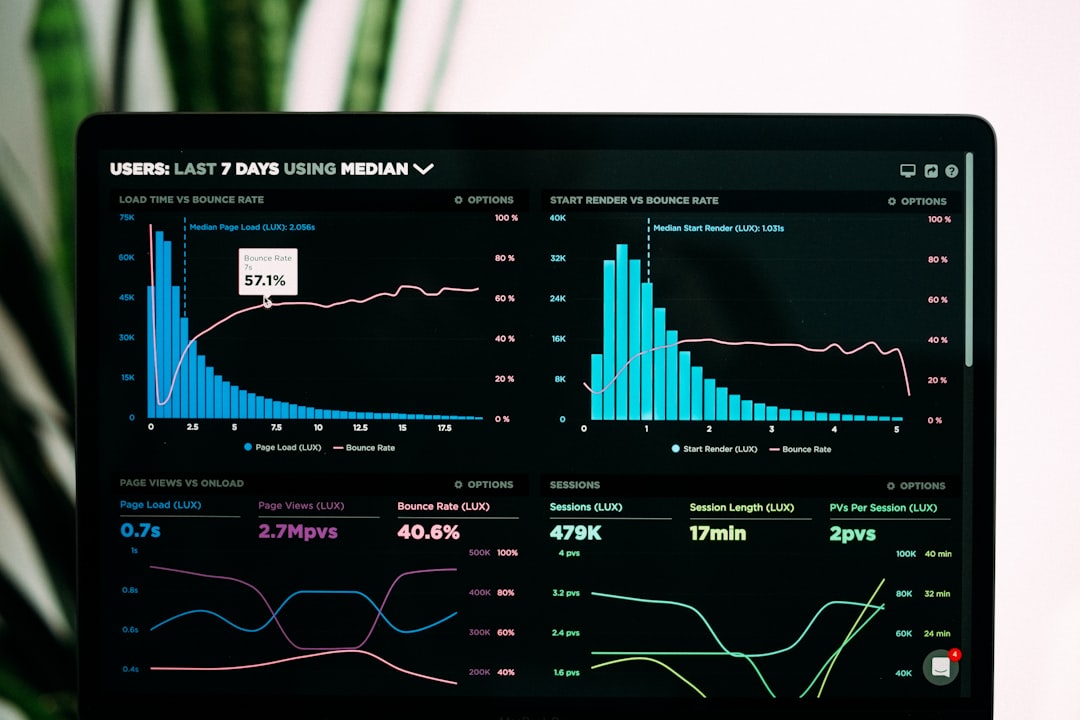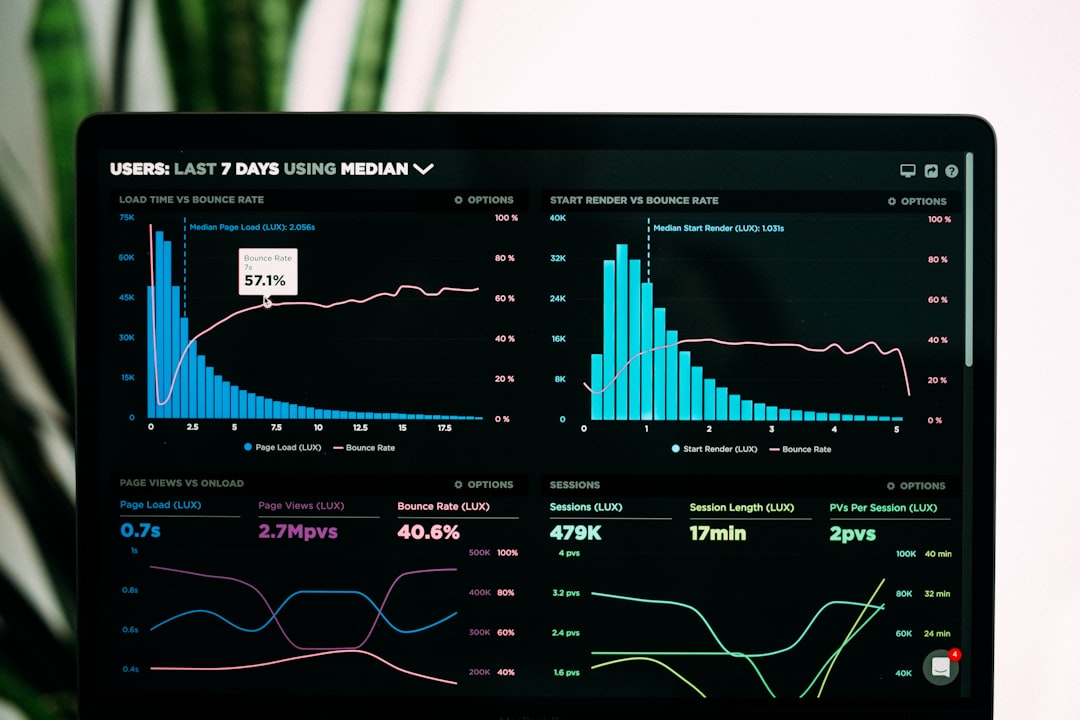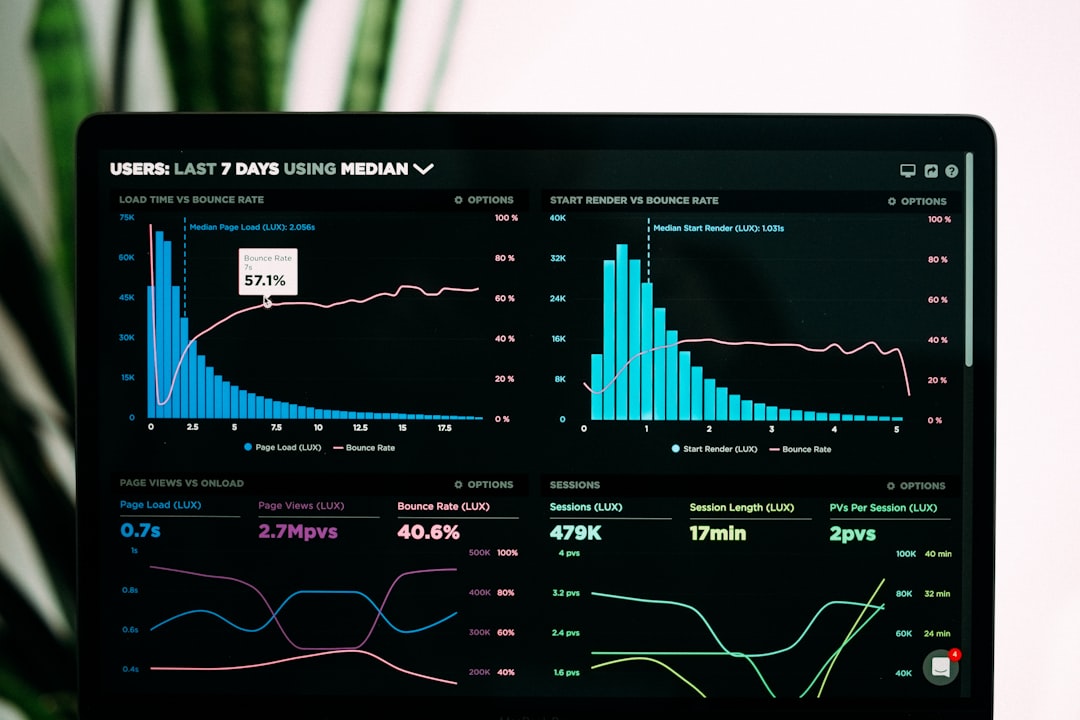
You're sitting on rankings you can't see. Open Google Search Console, sort your pages by average position, and look at the ones clustered around position 8 to 15. They aren't failures. They're your fastest path to more traffic this month. Most people walk right past them to write another brand-new post that won't rank for six months.
Striking distance keywords are search queries your site already ranks for in positions 8 through 20 — close to page one, but not on it. Because the page is already indexed and earning impressions, a few targeted tweaks can push it onto page one faster and cheaper than publishing anything new.
This guide shows you how to find striking distance keywords, how to decide which ones are worth your time, and the exact on-page changes that move a page from the bottom of page one (or the top of page two) into the click-heavy top three. You'll get a named framework, copy-paste prompts, and the real Google click-through numbers behind why this works. As of mid-2026, with AI Overviews squeezing clicks at the top of the SERP, getting more out of pages you already own matters more than it did a year ago.
What are striking distance keywords?#
Striking distance keywords are queries where your page ranks just outside the positions that earn real clicks. The page has proven it's relevant enough to surface. It just hasn't earned a top spot yet.
Definitions vary across the industry. Some tools use positions 4 to 15, others 5 to 20. The practical answer: target queries ranking in positions 8 to 20 that already pull at least 10 impressions a month. That band is where the page is genuinely close, the demand is real, and a small push pays off.
Three things have to be true for a keyword to count:
It ranks. The page appears in results for that query, just not high enough.
It has impressions. People actually search for it. Zero impressions means zero opportunity, no matter the position.
It's close. Positions 8 to 20 respond to on-page work. A keyword sitting at position 78 needs a different strategy entirely.
Get all three, and you have a quick win waiting. This is the cheapest traffic in SEO because you've already done the expensive part: ranking at all.
Why striking distance keywords are the highest-ROI move in 2026#
Here's the uncomfortable math. The gap between page two and the top three isn't a few percent. It's a cliff. Backlinko's analysis of 4 million search results found the #1 organic result earns a 27.6% click-through rate, while page two collectively gets just 0.63% of clicks. The top three results capture 54.4% of all clicks combined.
That means a keyword stuck at position 11 is, for traffic purposes, almost invisible. Move it to position 3, and you've crossed from a rounding error into more than half the clicks for that query.
Google position | Avg. organic CTR | What it means |
|---|---|---|
Position 1 | 27.6% | The prize |
Position 3 | 9.2% | Real, steady traffic |
Position 5 | 4.8% | Some clicks |
Position 8 | 2.1% | Striking distance starts |
Position 10 | 1.5% | Bottom of page one |
Page 2+ | 0.63% (combined) | Effectively invisible |
Source: Backlinko, Google CTR study
The numbers got more urgent in 2025. A study of 200,000 keywords found position-one CTR fell from 28% to 19%, a 32% drop, as AI Overviews ate into top-of-page clicks. When the top is getting compressed, wasting rankings you already hold is a luxury you can't afford.
The contrarian part: stop writing so much#
Most content advice says publish more. For pages already in striking distance, that's backwards. Your next 30 rankings probably aren't in a new post you haven't written. They're already in your Search Console, parked at position 9 or 12, waiting for 20 minutes of editing.
New content is a long bet. A fresh page on a competitive query can take months to climb, and many never reach page one. Knowing when to write versus when to fix is the core of an SEO content strategy, and our own 149-post numbers land firmly on fixing first. A striking distance page has already cleared the hard part. You're not asking Google to trust a new URL. You're nudging one it already ranks. That's why a refresh usually beats a brand-new post for near-term traffic.
Striking distance fix | Brand-new post | |
|---|---|---|
Already indexed? | Yes | No |
Already has impressions? | Yes | No |
Time to see movement | 2 to 4 weeks | 2 to 6 months |
Effort per win | ~30 to 90 minutes | Hours to days |
Success rate | High (already ranks) | Uncertain |
As Aleyda Solís puts it, "SEO isn't dead, it's evolving." The fundamentals still pay: relevance, intent, and clarity move pages. Striking distance work is just those fundamentals aimed at the pages where they pay fastest.
The Strike Zone Method: a 4-step loop#
You don't need a 12-tab spreadsheet. You need a repeatable loop. Call it the Strike Zone Method — four steps you can run on one page in under an hour, or across your whole site in an afternoon.
Surface — pull every query ranking in positions 8 to 20 with real impressions.
Diagnose — figure out why that specific page is stuck just short of page one.
Sharpen — make the on-page changes that match intent and earn the click.
Track — wait 2 to 4 weeks, confirm the move, and protect the gain.
The loop matters more than any single tactic. Surface without diagnosing and you tweak the wrong things. Sharpen without tracking and you never learn what worked. Run all four and you build a feedback engine that gets sharper every cycle. The rest of this guide walks each step.
Step 1 — Surface your striking distance keywords#
Start in Google Search Console. Open the Performance report, switch to the Search results view, and turn on all four metrics: Clicks, Impressions, CTR, and Average Position. Set the date range to the last 3 months so you're working with a stable signal, not last week's noise.
Now filter. Add a Position filter for anything greater than 7.9, and an Impressions filter for 10 or more. What's left is your striking distance list: queries that already rank, already get searched, and sit one good edit away from page one.
Sort by impressions, highest first. The top of that list is where the demand is. A query at position 12 with 2,000 impressions a month is worth ten times more of your attention than one at position 9 with 30 impressions. Chase volume before you chase position.
Export the table. You now have a prioritized worklist that didn't require a single new word of content. If you run this every month, you'll never run out of high-leverage things to fix.
Step 2 — Diagnose why the page is stuck#
A page lands at position 11 for a reason. Your job is to name it before you start editing. Open the query, search it yourself in an incognito window, and look at who's beating you.
Five diagnoses cover most stuck pages:
Intent mismatch. The query wants a how-to and your page is a definition. The ranking pages are doing a different job than yours.
Thin coverage. Your page mentions the topic but the top results answer it in depth, with subtopics you skipped.
Weak title and meta. You rank, but your snippet doesn't earn the click, so Google sees a weak signal.
No internal support. Nothing on your site links to this page, so it has little internal authority for the query.
Stale content. The page was right in 2024 and hasn't been touched since. Freshness signals have decayed.
Write the diagnosis down in one sentence per page. "Ranks 12 for 'ai seo checklist' — intent mismatch, mine is theory, top results are step-by-step." That sentence tells you exactly what to change in Step 3. Skip the diagnosis and you're guessing.
Step 3 — Sharpen: the tweaks that actually move the needle#
Now you edit, guided by the diagnosis. The goal isn't to rewrite the page. It's to close the specific gap between you and the results above you. Here's what to change, matched to what you found.
Diagnosis | The fix |
|---|---|
Intent mismatch | Reshape the page to match the dominant format (how-to, list, comparison) the top results use |
Thin coverage | Add the subtopics, examples, and questions the leaders cover and you skipped |
Weak title/meta | Rewrite the title to front-load the keyword and add a reason to click |
No internal support | Add 2 to 4 internal links from your strongest related pages |
Stale content | Update stats, dates, and examples to the current year |
Two levers do most of the work. First, the title tag is the single biggest on-page signal you control. Put the exact query near the front, then earn the click with a number, the year, or a word like "complete" or "playbook." A sharper title can lift both ranking and CTR at once. Our guide to blog titles that rank and get cited by AI goes deeper on this.
Second, internal links pass relevance and authority to the page. Find your highest-authority posts on related topics and link to the striking distance page with descriptive anchor text. This is one of the most underused moves in SEO, and it's covered fully in our AI internal linking playbook. If the page is also just old, treat it like a refresh — our guide to fixing content decay walks the full process.
Resist the urge to touch everything. Make the two or three changes your diagnosis pointed to, then stop. Over-editing a page that already ranks can reset signals you don't want to reset.
Step 4 — Track: confirm the move and protect it#
Edits don't show up instantly. After you publish changes, give Google time to recrawl and re-evaluate. Most pages show movement in 2 to 4 weeks, and a new position usually stabilizes within 6 to 8 weeks. Don't panic-edit on day three.
Come back to Search Console and compare the query's average position before and after. Did it climb? Hold the line and move to the next page. Did it stall? Your diagnosis was probably wrong. Re-search the query, look again at who's winning, and adjust.
This is where a worked example makes it concrete. Say a page ranks position 8 for a query with 3,000 monthly impressions. At a 2.1% CTR, that's about 63 clicks a month. Move it to position 3, where CTR is roughly 9.2%, and the same query now sends about 276 clicks. That's a 4.4x lift from one page, with no new content and no new backlinks. Stack a dozen of those across a site and the compounding is real.
Log what worked. Over a few cycles, you'll spot patterns — maybe title rewrites carry your site furthest, or internal links do. That pattern becomes your playbook.
Striking distance vs low-CTR keywords: don't confuse them#
These two look similar and need opposite fixes. Getting them mixed up wastes effort.
A striking distance keyword ranks in positions 8 to 20. The problem is position — you're not high enough. The fix is on-page strength: better coverage, intent match, internal links.
A low-CTR keyword already ranks in the top 10 with plenty of impressions but gets very few clicks (under roughly 1% CTR). The problem isn't position — it's the snippet. People see you and scroll past. The fix is a title and meta rewrite to better match what the searcher wants.
Signal | Where it ranks | The real problem | What to fix |
|---|---|---|---|
Striking distance | Positions 8 to 20 | Not high enough | Content, intent, internal links |
Low CTR | Top 10, few clicks | Weak snippet | Title and meta description |
Top 3 | Positions 1 to 3 | None — defend it | Keep fresh, watch for slippage |
Run both audits together. Striking distance gets you onto page one. Fixing low CTR squeezes more clicks out of pages already there. Different problems, different tools, both fast.
Run the whole loop from your AI#
The Strike Zone Method is repetitive by design, which makes it a perfect job for an AI agent connected over MCP. Instead of clicking through Search Console and copying rows into a spreadsheet, you let your AI pull the data, diagnose the page, write the fix, and ship it — all in one conversation.
This is exactly what Quillly's MCP server does. Your AI (Claude, ChatGPT, Cursor, or any MCP client) calls get_blog_seo_panel, which reads the page's Search Console keywords and pre-buckets them into striking distance, low-CTR, and top-3 lists. No manual filtering. The same positions-8-to-20 logic from Step 1 runs server-side and hands your AI a ready worklist.
A real prompt looks like this:
Using Quillly, pull the SEO panel for my "AI SEO checklist" post.
For every striking-distance keyword, tell me the likely reason
it's stuck, then rewrite the title and add two internal links
to fix the top one. Show me the patch before you publish.
Under the hood, your AI runs the loop with real tools:
get_blog_seo_panel— surface striking distance and low-CTR keywordssuggest_internal_links— find internal support to pass authorityupdate_content— apply the title, meta, and content patchescheck_blog_seo— confirm the page still scores well before it goes live
Because Quillly publishes to your own domain, the fix goes straight to the live page — no copy-paste into WordPress. For the broader setup, see our Google Search Console MCP workflow and the 14-point blog SEO checker that scores each edit. If a page won't climb no matter what you try, our AI blog not ranking fix stack covers the deeper causes.
Common striking distance mistakes to avoid#
Even a simple loop has traps. These are the ones that quietly waste your time.
Chasing position over impressions. A jump from 12 to 4 on a 20-impression query changes nothing. Sort by impressions first, always.
Editing everything at once. Change three things and you won't know which one worked. Make targeted edits tied to your diagnosis.
Ignoring search intent. If the top results are videos or product pages and you're a blog post, no amount of tweaking wins. Match the format Google is rewarding.
Forgetting AI Overviews. In 2026, "page one" includes being cited in the AI answer box. A clear, well-structured answer near the top of your page can earn that citation even when the blue link sits at position 8.
Skipping the wait. Re-editing after three days resets the clock and muddies your data. Give it 2 to 4 weeks.
Doing it once. Striking distance work compounds when it's a monthly habit, not a one-time cleanup. New queries drift into the 8-to-20 band constantly.
Avoid these six and your hit rate climbs fast. The method is forgiving, but only if you let the data, not your gut, pick the targets.
One more place this applies: templated page sets tend to land in the 8-to-20 band in bulk, so it pays to run the loop across a whole set at once rather than page by page. These programmatic SEO examples cover which page sets are worth building before you have a hundred of them to fix.
Frequently asked questions#
What exactly counts as a striking distance keyword?#
A striking distance keyword is a query your page already ranks for in roughly positions 8 to 20, with enough impressions to matter (at least 10 a month is a sensible floor). The page has proven relevance but hasn't reached the click-heavy top of page one. The defining trait is that it's close enough that on-page edits, not months of new work, can push it up.
How do I find striking distance keywords for free?#
Use Google Search Console, which is free. Open the Performance report, enable Clicks, Impressions, CTR, and Average Position, and set the range to the last 3 months. Filter for position greater than 7.9 and impressions of 10 or more, then sort by impressions. The result is a prioritized list of striking distance opportunities, no paid tool required.
How long does it take to move a striking distance keyword to page one?#
Most pages show movement within 2 to 4 weeks of making on-page changes, and a new position typically stabilizes within 6 to 8 weeks. The timeline depends on how often Google crawls your site and how competitive the query is. Pages that already rank in striking distance move faster than brand-new content, which can take months.
Are striking distance keywords better than writing new content?#
For near-term traffic, usually yes. A striking distance page is already indexed, already earns impressions, and already has some authority, so a small edit can produce results in weeks. New content can take months to rank and often never reaches page one. Both have a place, but fixing what already ranks is the higher-ROI move first.
What's the difference between striking distance and low-CTR keywords?#
Striking distance keywords rank in positions 8 to 20 — the problem is they're not high enough, so you improve content, intent match, and internal links. Low-CTR keywords already rank in the top 10 but get few clicks — the problem is the snippet, so you rewrite the title and meta description. Same dashboard, opposite fixes.
Can AI tools find striking distance keywords automatically?#
Yes. AI tools connected to your Search Console data over MCP can pull, bucket, and prioritize striking distance keywords without manual filtering. Quillly's get_blog_seo_panel tool returns striking distance and low-CTR lists directly to your AI, which can then diagnose the page and apply fixes. It turns a manual audit into a single prompt.
Do striking distance keywords still matter with AI Overviews?#
They matter more. As AI Overviews compress clicks at the top of the SERP, getting more from pages you already rank is one of the few reliable wins left. A striking distance page that's clearly structured can also earn a citation in the AI answer, which is the new version of cracking the top three.
The takeaway#
Striking distance keywords are the closest thing SEO has to free traffic. Three numbers make the case: page two earns just 0.63% of clicks, the top three capture 54.4%, and moving a single keyword from position 8 to position 3 can lift its clicks more than 4x. The work is already half done — your page ranks, it just needs a push.
Run the Strike Zone Method on a monthly cadence: Surface the positions-8-to-20 queries, Diagnose why each is stuck, Sharpen the title and content, then Track the move over 2 to 4 weeks. Don't write more when you can fix what already ranks. Don't guess when the data is sitting in Search Console.
Want your AI to find these keywords and ship the fix in one conversation? Connect Quillly to Claude, ChatGPT, or Cursor in 30 seconds.
Go Deeper#
AI search statistics 2026: the data that matters — the benchmarks behind striking-distance thresholds.
Perplexity SEO: how to get cited in 2026 — striking distance means something different on citation engines.
Multi-engine SEO: rank beyond Google in 2026 — your page-2 Google terms are often page-1 Bing terms.
Keyword rank tracking for AI blogs — how to watch these positions move without a per-keyword bill.
SEO content strategy: a 149-post field report — where striking-distance work sits in the wider publish-or-improve decision.